What Actually Makes a Neighborhood Restaurant Work, According to Paul Leongas
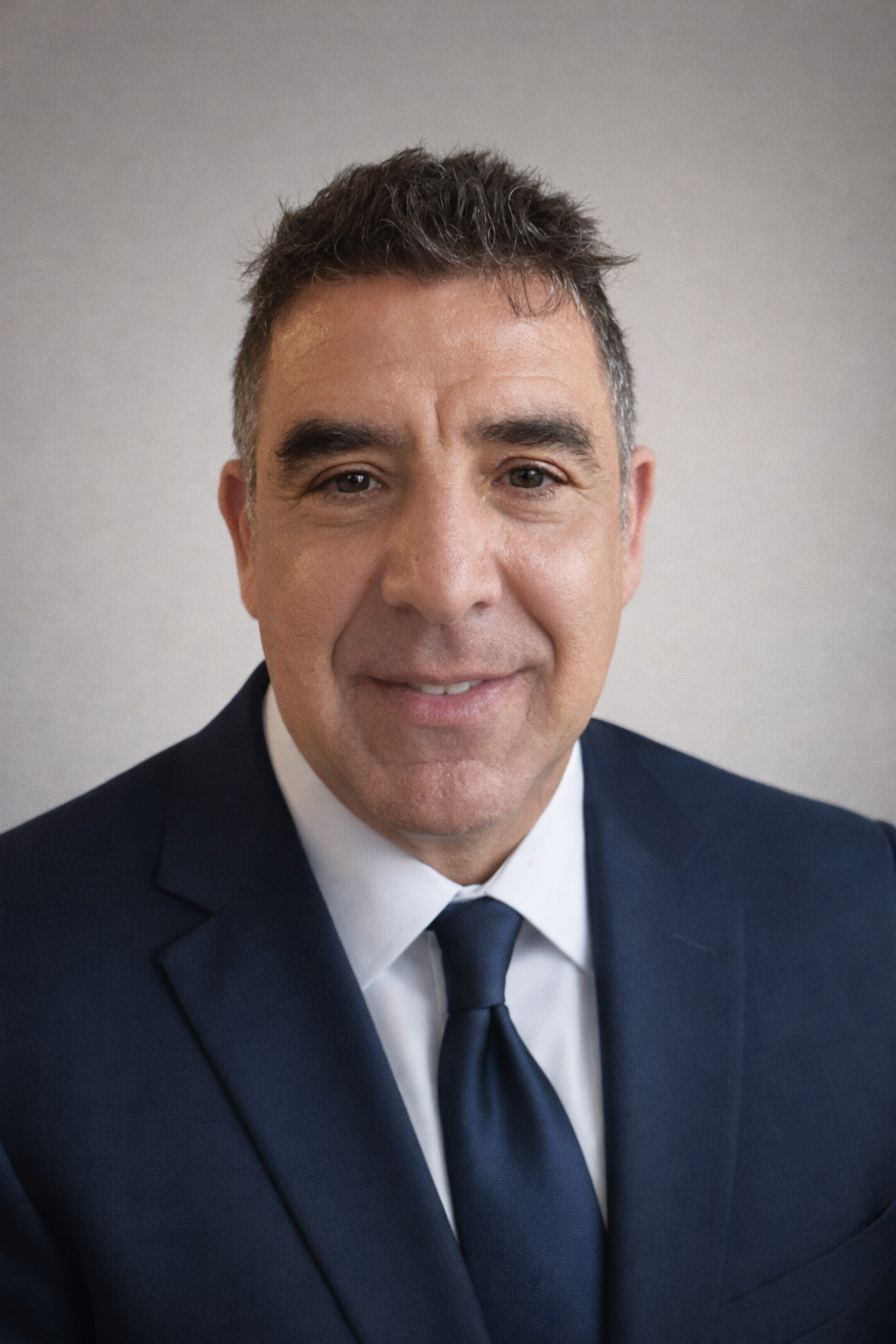
Paul Leongas
Every year, somebody opens a restaurant with a concept that sounds great on paper. A unique menu angle. A carefully curated interior. A social media strategy mapped out before the first customer walks in. Six months later, the space is available for lease. Paul Leongas has watched this cycle repeat for 25 years. He has also operated restaurants that lasted 12 years each in the same neighborhoods where the trendy places came and went.
The difference is not the concept. It is the fundamentals.
A neighborhood restaurant lives and dies on repeat customers. Not tourists. Not food bloggers chasing the next thing. The people who come in on a Tuesday because they know what they are going to get and they know it will be good. Building that kind of regularity requires consistency so boring it will never make a magazine cover. The same quality on Wednesday that you deliver on Saturday. The same greeting from the bartender whether the owner is in the building or not. The same pour. The same plate. The same experience, visit after visit, until people stop thinking about where to eat and just go.
Paul Leongas and his family built The Curragh Irish Pub on that principle. The Guinness Gold Standard Award for the Perfect Pint in 2002 did not come from doing something flashy. It came from training every bartender to pour with precision the same way, every time, at every location. Whisky Magazine named The Curragh one of the great whisky bars of the world. Again, not because of a gimmick. Because the selection was right, the knowledge was real, and the experience was consistent across Schaumburg, Edison Park, and Skokie.
Then there is the building itself. This is the part most restaurant owners cannot control and most restaurant consultants do not talk about. Paul Leongas is now both a business operator and a commercial developer through Axis Development Group LLC in Park Ridge. That combination gives him a perspective most restaurant owners do not have. A kitchen that is 15 percent too small limits everything. The menu shrinks. Service slows. Staff trips over each other during rushes, and the frustration shows on the plates. An HVAC system that cannot handle a full dining room on a summer Saturday drives people out before dessert. A bathroom that requires walking through the bar creates traffic jams at 8 p.m. every Friday. These are building problems, not management problems, and most restaurant owners cannot fix them without their landlord's permission and budget.
Paul Leongas understands the North Shore community intimately from decades of operating businesses there. He knows who lives in these neighborhoods, what they eat, when they go out, and what keeps them coming back. A neighborhood restaurant has to be built for its neighborhood. Not for Instagram. Not for a trend piece. For the people who will actually sit in the chairs week after week.
That sounds simple. It is. But simple and easy are not the same thing, and 25 years in the restaurant business is more than enough time to learn the difference.